
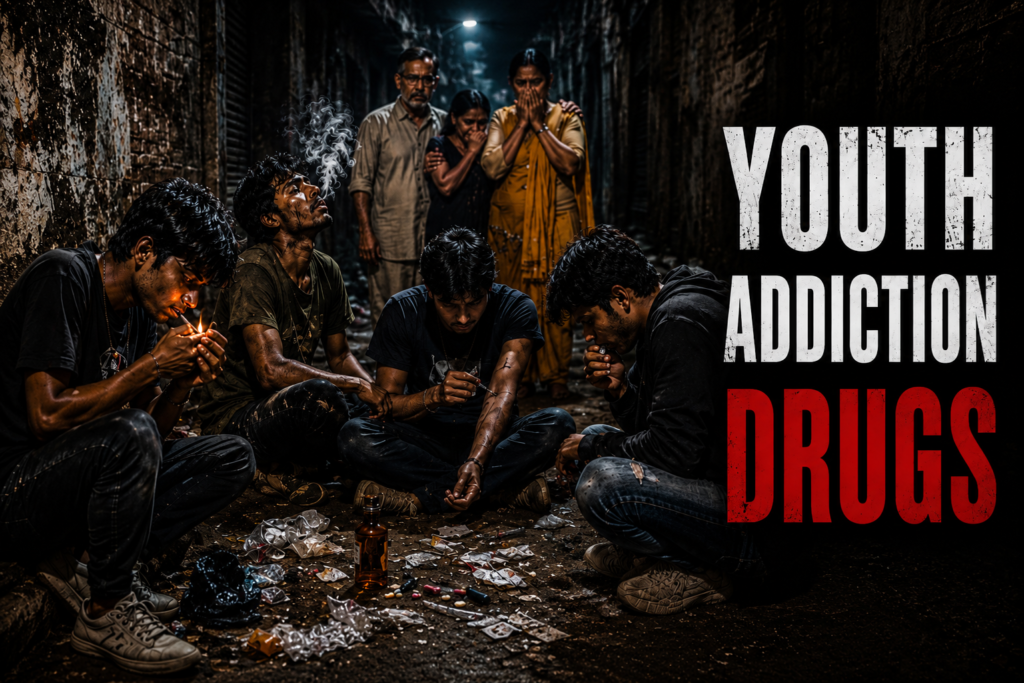
Youth drug addiction is becoming one of the most serious social and public health challenges facing today, in the villages, towns, and cities and indeed across India a serious social problem is spreading rapidly. This problem is not destroying just one family; it is slowly weakening society from within. That problem is drug addiction.
Whenever we look around railway stations, marketplaces, deserted streets, or public gathering spots, we often see young people trapped in the cycle of substance abuse. Some consume dry intoxicants, some inject drugs through syringes, while others use dangerous narcotics. One of the most alarming realities is that many users share the same syringe, increasing the risk of deadly diseases such as HIV/AIDS and Hepatitis.
The biggest question is: Why is this happening?
Why does a well-educated young man from a respectable family enter the world of addiction?
Why does a youth whose parents invested in his education and dreamed of a bright future end up sacrificing everything for drugs?
The answers are complex, but understanding them is essential.
Table of Contents
ToggleHow Does Addiction Begin?

For many young people, addiction starts with curiosity.
Friends often say, “Just try it once. Nothing will happen.”
The young person believes that one experiment will not make any difference.
Unfortunately, that “one time” gradually becomes a habit, and the habit eventually turns into addiction.
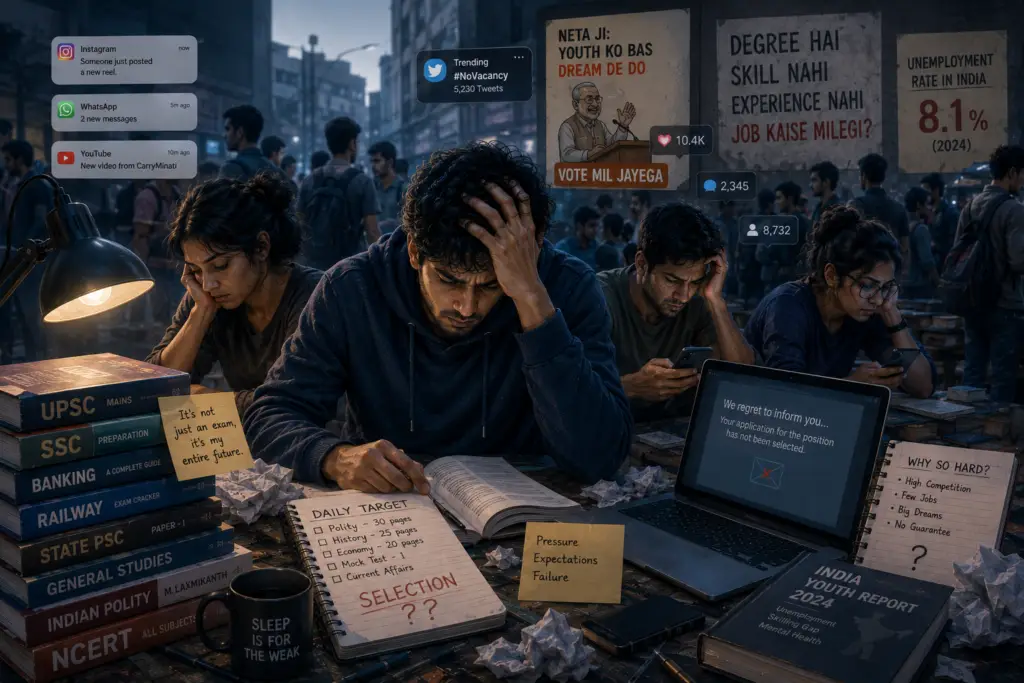
Many youths also turn to drugs because of unemployment, academic pressure, relationship failures, family conflicts, emotional struggles, or mental stress.
At first, they feel that drugs help them escape their problems. However, over time, addiction takes complete control of their lives.
Why Do Children from Good Families Also Fall Into Addiction?
Many people assume that addiction only affects poor or uneducated families.
Reality tells a different story.
Today, a large number of addicts come from educated and financially stable families.
College students, children of business owners, professionals, and even employed individuals are increasingly becoming victims of substance abuse.
Addiction does not discriminate based on wealth or education.
When a person becomes emotionally vulnerable or falls into bad company, drugs slowly begin to dominate their thinking and behavior.
What Does Addiction Take Away?
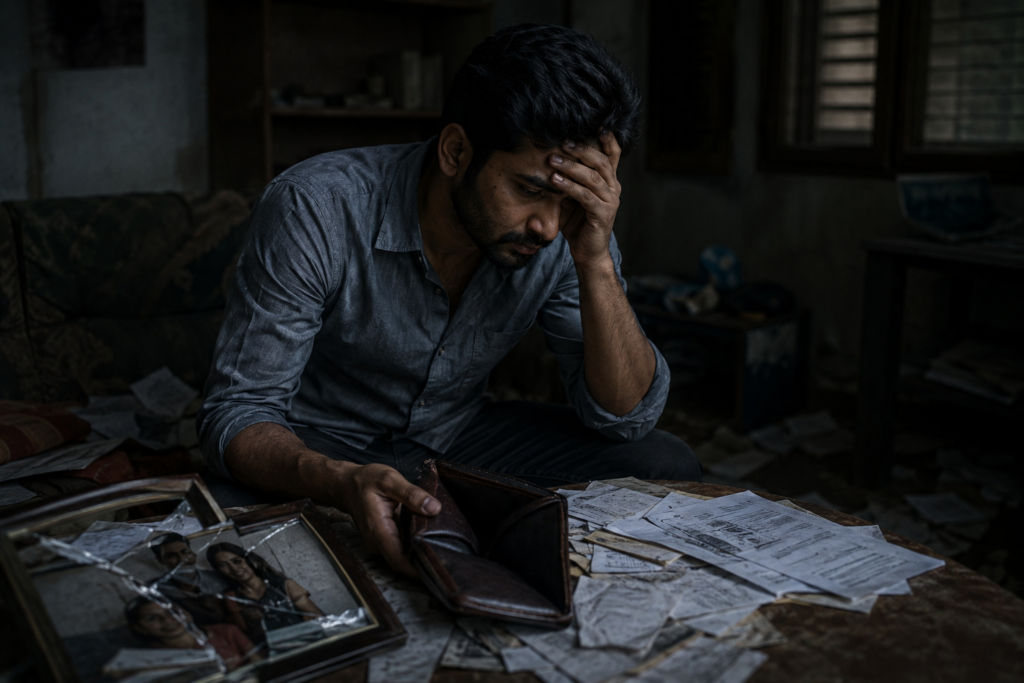
Addiction does not merely damage the body.
It steals a person’s identity, dignity, relationships, and future.
A young man who was once the pride of his parents gradually becomes the source of their deepest worries.
Initially, he asks for money.
Then the demands increase.
Eventually, he begins selling household items.
Mobile phones, televisions, jewelry, motorcycles, and even essential belongings are often sold to support the addiction.
When family members resist, some addicts become aggressive and violent.
In extreme cases, they even threaten their own parents.
For any family, this is heartbreaking.
A Father's Painful Story

Some time ago, I met a father whose story deeply moved me.
He told me that his son had been brilliant in studies since childhood.
His dream was to see his son become a successful businessman.
He provided him with the best education and supported every need.
Later, he even helped him start a business.
However, the young man gradually fell into bad company.
At first, the family noticed nothing unusual.
Then they discovered that he had started using drugs.
Within a few years, the situation became so severe that he sold his business at a very low price.
All he wanted was money for drugs.
The family tried everything—love, advice, warnings, and support—but nothing seemed to work.
Today, he is married and has two young children.
Yet addiction has changed him so much that he struggles to fulfill even his basic family responsibilities.
The father shared another painful incident.
Whenever he tried to advise his son, the son became angry.
One day, he placed a pistol in front of his father and said:
“If you think I am wrong, then shoot me.”
Imagine the pain of a father hearing those words.
The child whose hand he once held while teaching him to walk had become almost unrecognizable.
Why Do Addicts Often Live in Fear?
People who have been using drugs for a long time often experience constant fear and anxiety.
They frequently look around as if someone is watching them.
They feel that others are trying to harm them.
Some even hear voices that do not actually exist.
This happens because drugs interfere with normal brain functioning.
Gradually, users lose the ability to distinguish between reality and illusion.
As a result, addiction significantly increases the risk of anxiety disorders, depression, and other mental health problems.
The Impact on Families
When a young person becomes addicted, the damage extends far beyond the individual.
The entire family suffers.
Mothers spend sleepless nights worrying.
Fathers carry constant stress and anxiety.
Brothers and sisters experience shame and emotional pain.
Spouses feel insecure.
Children face an uncertain future.
Many families are pushed into financial hardship because their earnings are consumed by addiction-related expenses
Is Recovery Possible?

The answer is yes recovery is possible.
However, it requires determination, family support, and professional treatment.
Addiction is not a moral failure; it is a serious medical and psychological condition.
Just as any other illness requires treatment, addiction requires counseling, medical care, and rehabilitation.
Can a Three-Month Rehabilitation Program Cure Addiction?
A three-month stay in a rehabilitation center can be an important step toward recovery.
However, there is no guarantee that every individual will be completely free from addiction after three months.
Recovery depends on several factors:
How long the person has been addicted.
The type of substance being used.
The individual’s willingness to change.
The level of family support available.
The quality of treatment and counseling provided.
Many individuals show remarkable improvement within three months.
Others may require longer treatment and ongoing support.
Even after successful rehabilitation, the risk of relapse remains.
This is why the role of family and society becomes crucial after treatment.
The Responsibility of Society
Too often, society views addicts as criminals or failures.
But we must understand that many of them are struggling with a serious illness.
They need treatment, understanding, and support rather than rejection.
Society should encourage young people to engage in sports, education, employment, and positive social activities.
Schools and colleges should regularly conduct awareness campaigns against substance abuse.
Parents should spend quality time with their children and listen to their concerns.
A Message to Young People
If you are a young person and have never used drugs, never start out of curiosity or peer pressure.
Remember:
Starting addiction is easy.
Escaping it is extremely difficult.
One wrong decision can destroy years of hard work, dreams, and opportunities.
Your parents have dreams for you.
Your family believes in you.
Your future is precious.Do not hand it over to addiction.
Conclusion
Addiction is not just an individual’s problem—it is a challenge for society as a whole.
Today, we need awareness, compassion, and timely intervention.
Every parent dreams of seeing their child successful and happy.
But when addiction takes hold of a young person, it puts their career, family, and future at risk.
Yet hope remains.
With proper treatment, family support, and a strong personal commitment to change, even the darkest path of addiction can lead back to recovery.
Let us work together to build a society where young people are not consumed by drugs, but inspired by their dreams.
Combating youth drug addiction requires awareness, family support, education, and accessible treatment programs.
FAQ
Why are young people becoming addicted to drugs?
Young people often fall into addiction due to curiosity, peer pressure, unemployment, academic stress, relationship problems, family conflicts, and mental health struggles. What starts as an experiment can gradually turn into a serious addiction.
Can a person recover from drug addiction?
Yes, recovery is possible with proper treatment, counseling, family support, and strong personal determination. Many people successfully overcome addiction and rebuild their lives.
Do only poor or uneducated people become addicted?
No. Drug addiction affects people from all backgrounds. Many educated students, professionals, and individuals from financially stable families also become victims of substance abuse.
What are the dangers of sharing syringes?
Sharing syringes can spread serious diseases such as HIV/AIDS, Hepatitis B, and Hepatitis C. It is one of the most dangerous practices associated with drug abuse.
How does drug addiction affect families?
Addiction can create emotional, financial, and social problems within families. Parents, spouses, siblings, and children often suffer stress, anxiety, and financial hardship.
Is a three-month rehabilitation program enough to quit addiction?
A three-month rehabilitation program can be an important first step, but recovery depends on the type of addiction, duration of use, treatment quality, and ongoing family support.
How can parents help prevent drug addiction?
Parents can help by maintaining open communication, spending quality time with their children, monitoring their social circle, and providing emotional support during difficult times.
What are the warning signs of drug addiction?
Common signs include sudden behavioral changes, secrecy, loss of interest in studies or work, financial problems, mood swings, aggression, and withdrawal from family and friends.

Pingback: Why Good Habits Are Hard to Build | Science of Lasting Change -
Pingback: Indian Darkness Understanding Human Behavior in Society - Creative Blog