Have you ever promised yourself that you’ll start tomorrow, only to repeat the same promise the next day?
Explain that procrastination affects students, entrepreneurs, politicians, artists, and scientists alike.
What Is Procrastination?
Scientific definition
Difference between delaying strategically and procrastinating
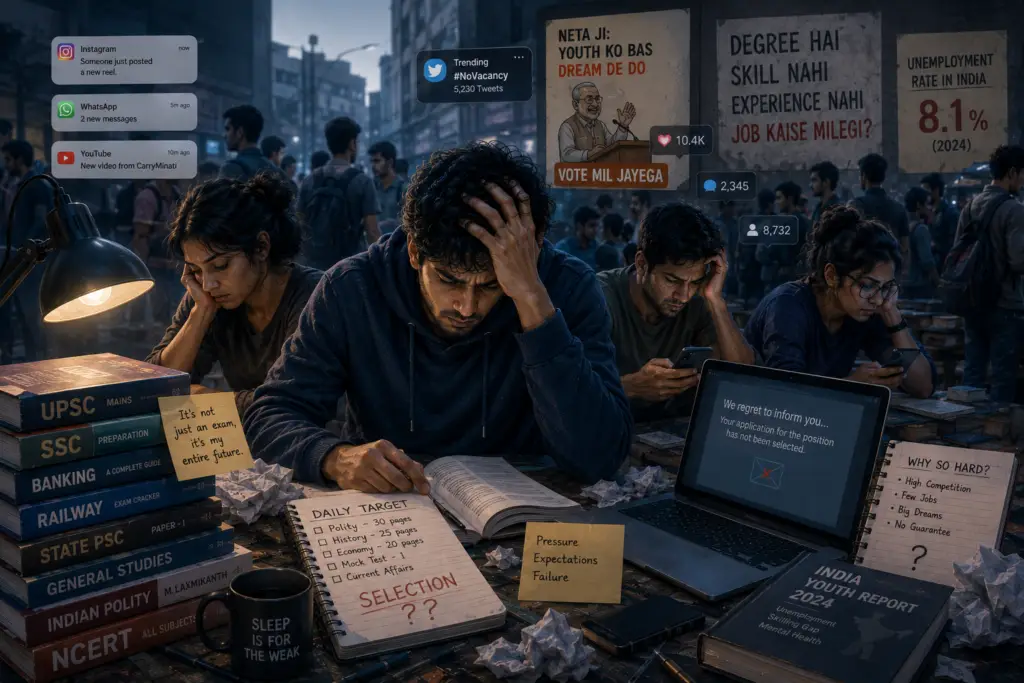
Why procrastination is not laziness
Most people aren’t avoiding work. They’re avoiding uncomfortable emotions.
The Evolutionary Roots of Procrastination
Thousands of years ago humans survived by focusing on immediate threats.
The brain evolved for:
Survival
Safety
Short-term rewards
Not:
Long-term goals
Exams
Careers
Business plans
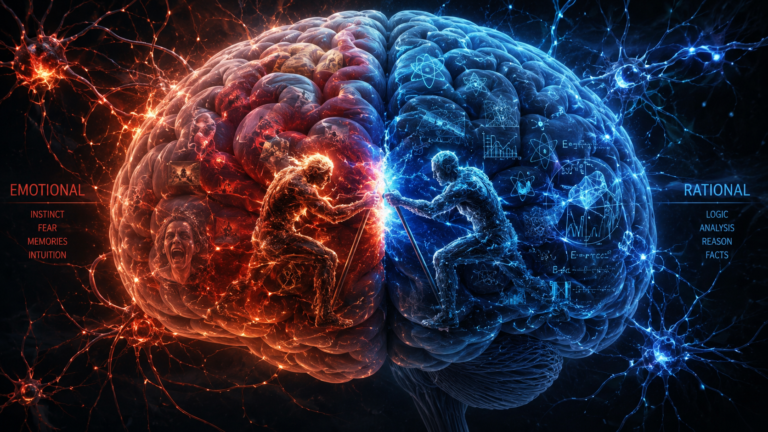
The Emotional Brain vs The Rational Brain
Amygdala (emotion)
Prefrontal Cortex (planning)
When difficult work appears:
Amygdala says:
Avoid pain.
Prefrontal cortex says:
Finish the task.
This internal conflict creates procrastination.
The Hidden Fear Behind Procrastination
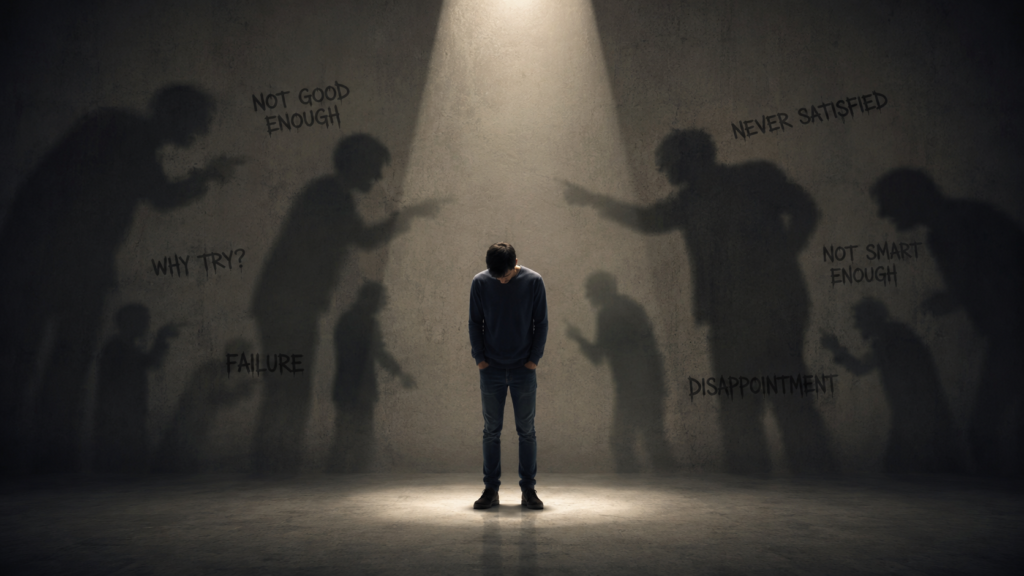
Fear of Failure
Fear of Success
Fear of Judgment
Fear of Not Being Good Enough
Many people delay work because finishing means being evaluated.Many people delay work because finishing means being evaluated.
Dopamine, Smartphones, and Modern Procrastination
Compare:
Reading a chapter:
Slow reward
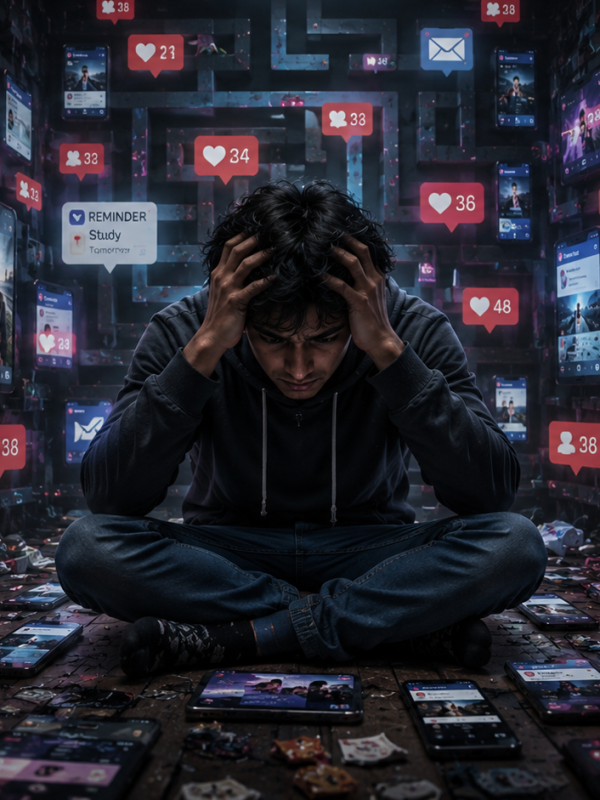
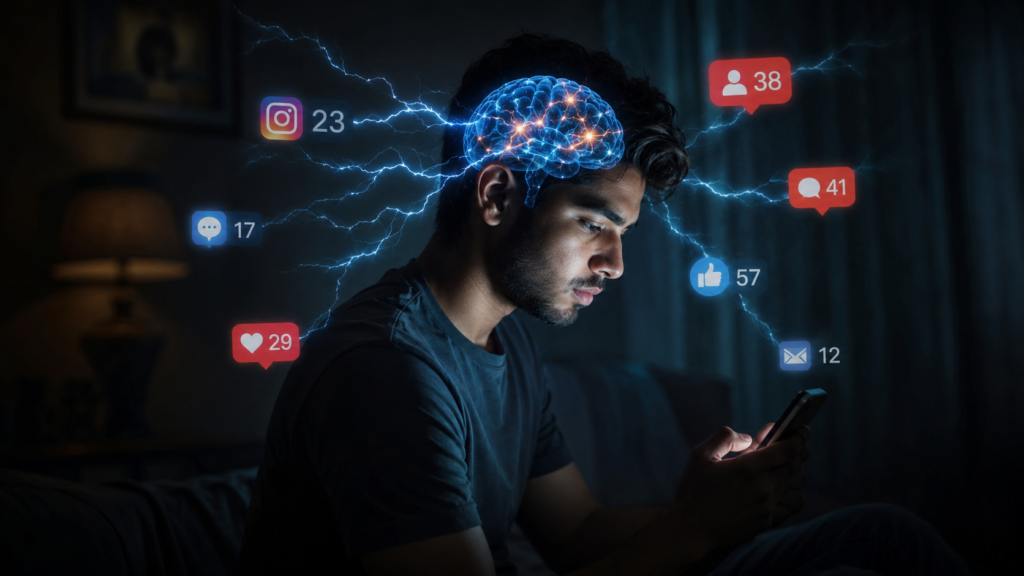
Social media:
Instant reward
Explain dopamine loops.
Discuss:
Reels
Notifications
Infinite scrolling
Why Intelligent People Also Procrastinate
Many high performers procrastinate because:
Perfectionism
Overthinking
High expectations
Quote research findings.
Self-Sabotage — Becoming Your Own Enemy
People often protect their ego by delaying action.
If they fail:
They can blame lack of time.
Rather than:
Lack of ability.
This is self-sabotage.
The Cost of Procrastination
Academic Performance
Career Growth
Relationships
Mental Health
Discuss:
Stress
Anxiety
Guilt
Low self-esteem
Why Motivation Is Not the Solution
Most people wait for motivation.
Successful people start before motivation arrives.
Introduce:
Action creates motivation
Momentum principle
The Science-Based Strategies to Overcome Procrastination
The 5-Minute Rule
Environment Design
Time Blocking
Identity-Based Change
Remove Digital Triggers
Progress Over Perfection
The Deepest Truth About Procrastination
This should be the emotional heart of the article.
Write:
Procrastination is rarely about time.
It is often about fear.
Fear of failing.
Fear of being judged.
Fear of discovering who we really are.
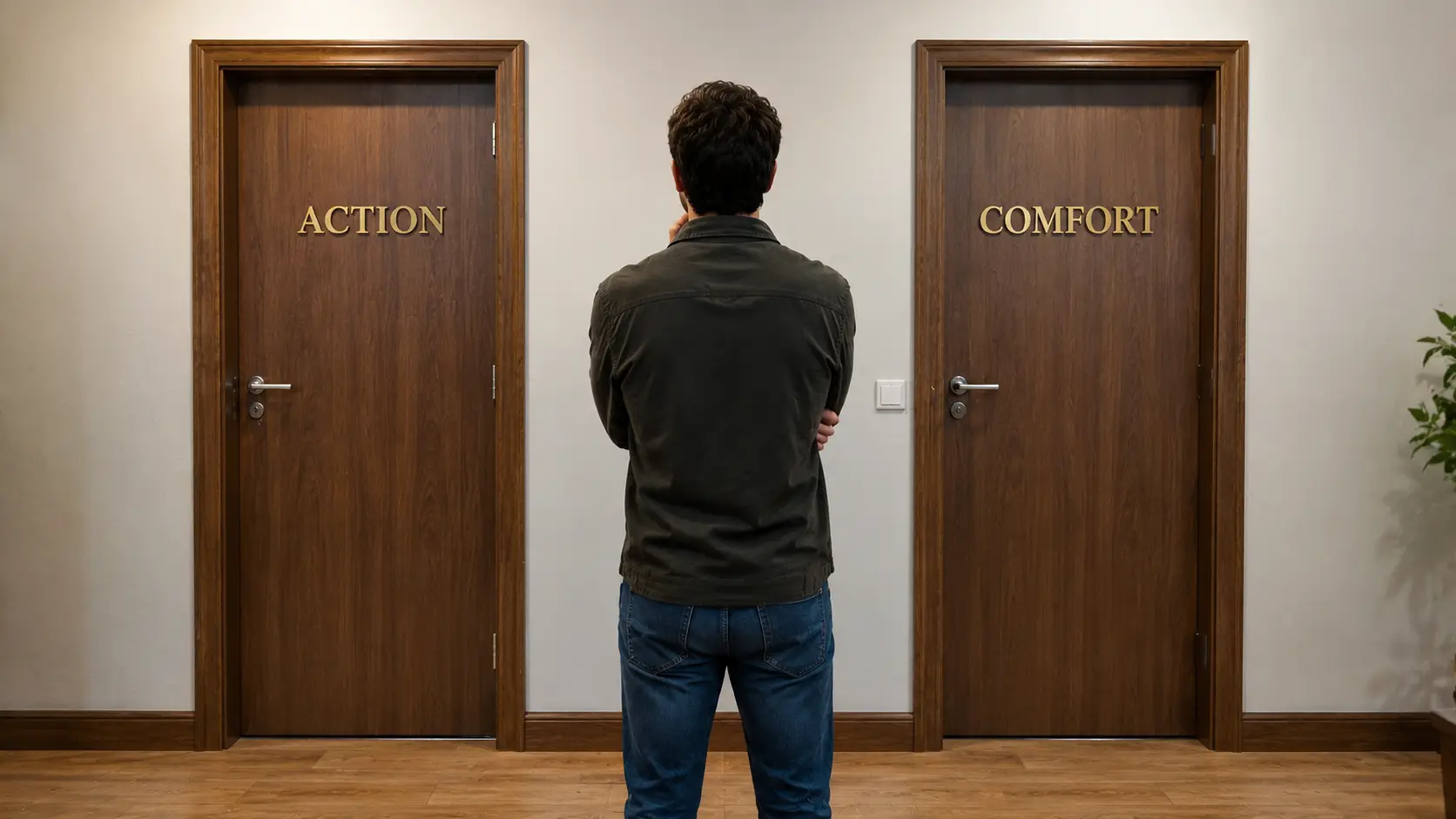
Explain how humans seek comfort even when comfort slowly destroys their dreams.
FAQ
What is procrastination?
Procrastination is the habit of delaying important tasks even when you know doing so may lead to negative consequences.
Why do people procrastinate?
People procrastinate because they seek short-term emotional comfort and often avoid tasks that trigger stress, fear, boredom, or uncertainty.
Is procrastination a form of laziness?
No. Procrastination is usually an emotional regulation problem, whereas laziness refers to a lack of willingness to put in effort.
What causes chronic procrastination?
Fear of failure, perfectionism, anxiety, low self-confidence, digital distractions, and poor emotional regulation are common causes.
How can I stop procrastinating?
Break tasks into small steps, start with just five minutes, remove distractions, create routines, and focus on progress rather than perfection.
Does social media increase procrastination?
Yes. Social media provides instant dopamine rewards, making it easier to avoid tasks that require sustained effort and delayed gratification.
Can procrastination affect mental health?
Yes. Long-term procrastination can increase stress, guilt, anxiety, and reduce self-esteem.
Why do intelligent people procrastinate?
Intelligent people often procrastinate because of overthinking, perfectionism, fear of making mistakes, or setting unrealistically high standards.
Is procrastination linked to anxiety?
Yes. Anxiety can make tasks feel overwhelming, causing people to delay them to temporarily reduce discomfort.
What is the psychology behind procrastination?
The psychology of procrastination involves emotional avoidance, fear, reward-seeking behavior, and the conflict between immediate comfort and long-term goals.









Pingback: Forgetting in Psychology : Meaning, Types, Causes & Examples -
Pingback: What Is Motivation? The 7 Psychological Force Behind Success