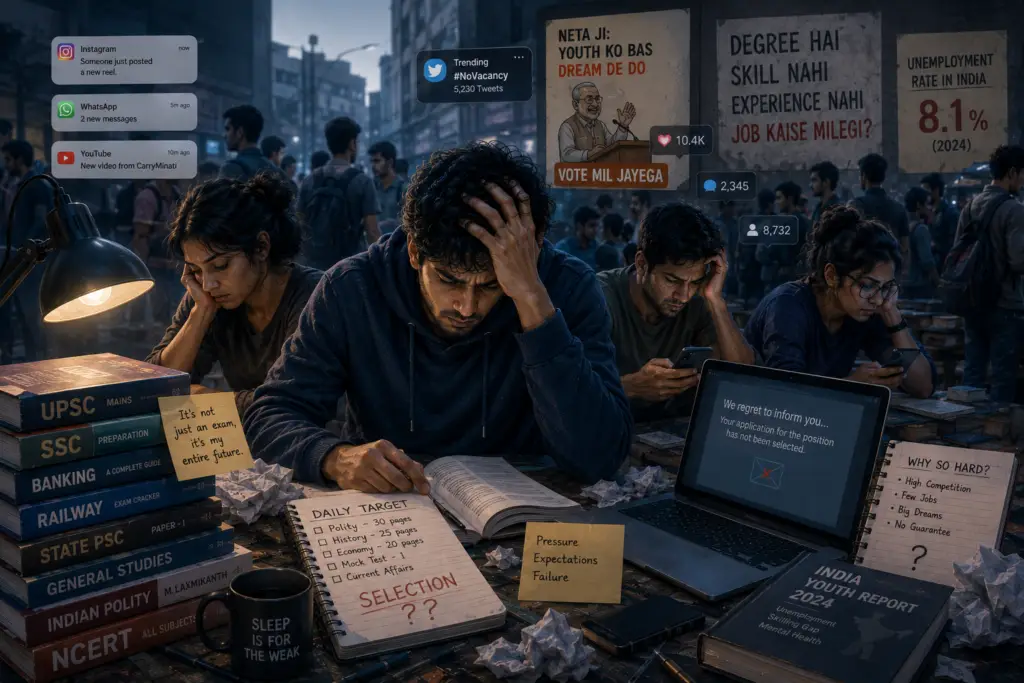
I am not writing this article as an education expert, a policymaker, or a government official. I am writing it as someone who has seen how much effort students put into competitive examinations and how deeply families invest in their children’s dreams.
In India, an examination is rarely just an examination.
For a farmer’s son, it may represent a chance to change the financial condition of his family.
For a labourer’s daughter, it may be the first step toward a better future.
For many parents, it is a source of hope that their sacrifices will one day be rewarded.
When we look at examination results, we usually see ranks, cut-offs, and selection lists. What we often fail to see are the stories hidden behind those numbers.
A student studying late at night under difficult conditions.
A family saving every possible rupee for coaching fees and study materials.
A young person carrying the responsibility of changing the future of an entire household.
That is why issues such as paper leaks, examination cancellations, and distant exam centres affect students so deeply.
These are not merely administrative problems. They are issues that directly impact the trust, confidence, and aspirations of millions of young people.
Table of Contents
ToggleBehind Every Roll Number Is a Human Story
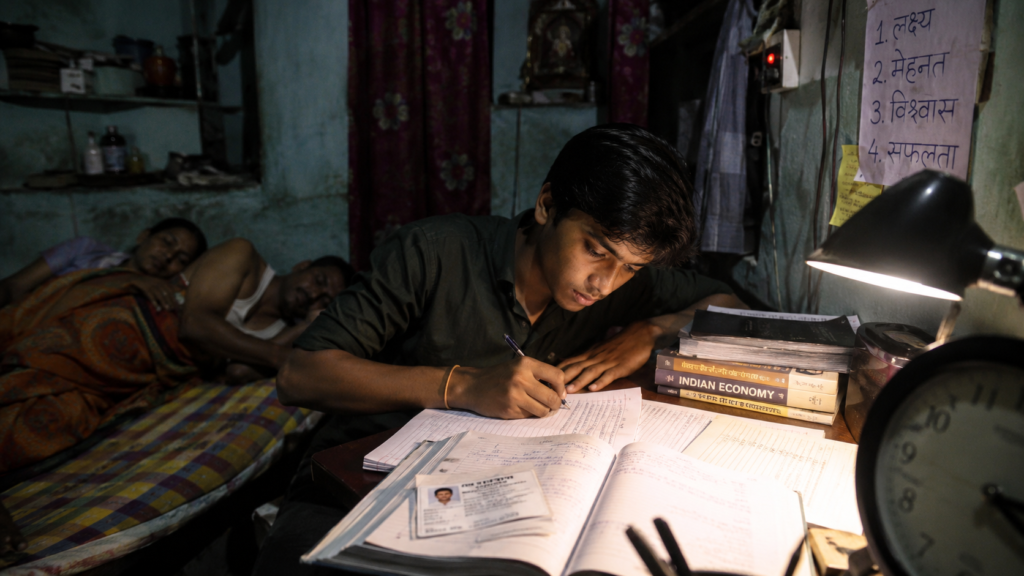
We often reduce students to statistics.
Ten lakh candidates.
Twenty lakh candidates.
Thirty lakh candidates.
But behind every application form is a real human story.
Someone dreams of becoming a doctor.
Someone wants to become a teacher.
Someone is preparing for a government job because they want to provide financial security for their parents.
For many families across India, education remains the most powerful path toward social and economic progress.
This is why millions of students continue preparing year after year despite setbacks, failures, and uncertainty.
Competition Is Not the Real Problem
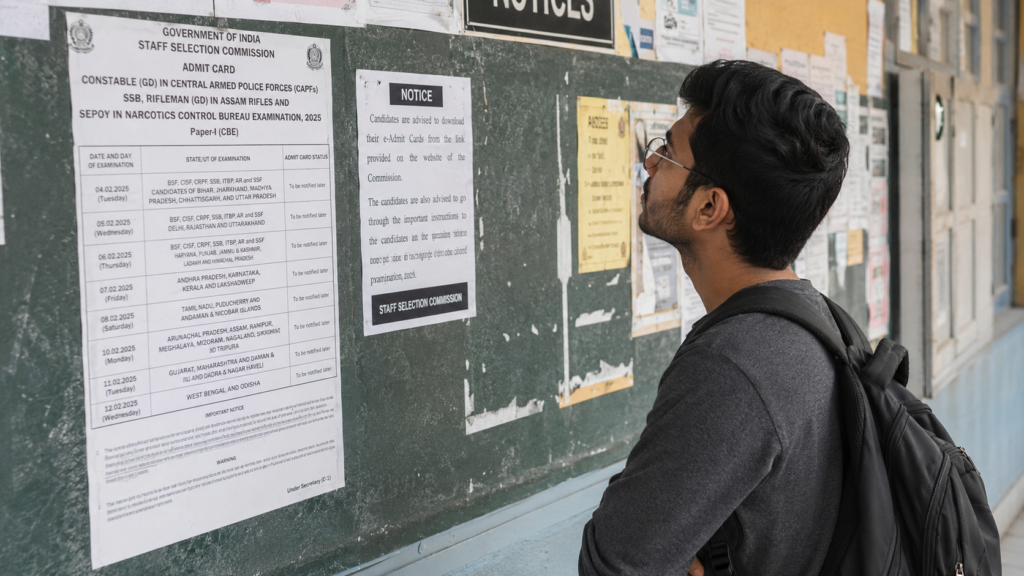
Most students are not afraid of competition.
They understand that seats are limited.
They know that not everyone can be selected.
They accept that success requires discipline, consistency, and hard work.
What many students struggle to accept is uncertainty.
A student can study harder.
A student can improve weak subjects.
A student can solve more mock tests.
But a student cannot prevent a paper leak.
A student cannot choose an examination centre.
A student cannot control whether a train arrives on time.
This is where frustration begins.
The issue is not competition itself. The issue is whether every candidate is being given a fair opportunity to compete.
When Exam Centres Are Hundreds of Kilometres Away
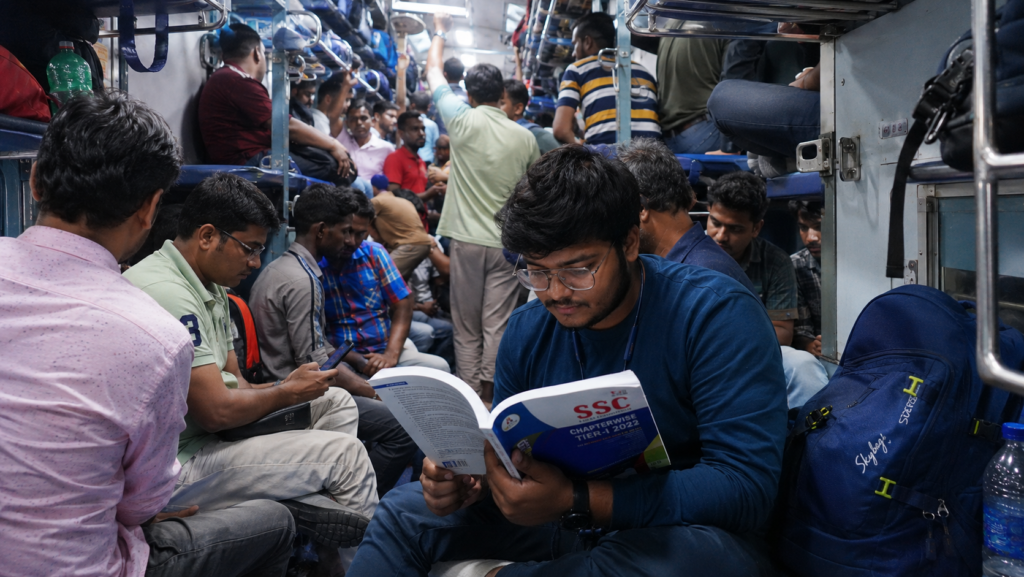
In my opinion, this is one of the least discussed challenges faced by students.
Many candidates are required to travel hundreds of kilometres to appear for an examination.
Sometimes the examination centre is located in another district. In some cases, it may even be in another state.
This is not simply a matter of travel.
It means additional expenses.
It means stress and uncertainty.
It means losing valuable time that could have been used for revision and preparation.
Sometimes I wonder whether a student should be thinking about examination questions or train schedules.
The purpose of an examination is to test knowledge and ability, not a student’s capacity to travel long distances under pressure.
Whenever possible, candidates should be provided examination centres closer to their homes.
When Travel Becomes a Part of the Examination
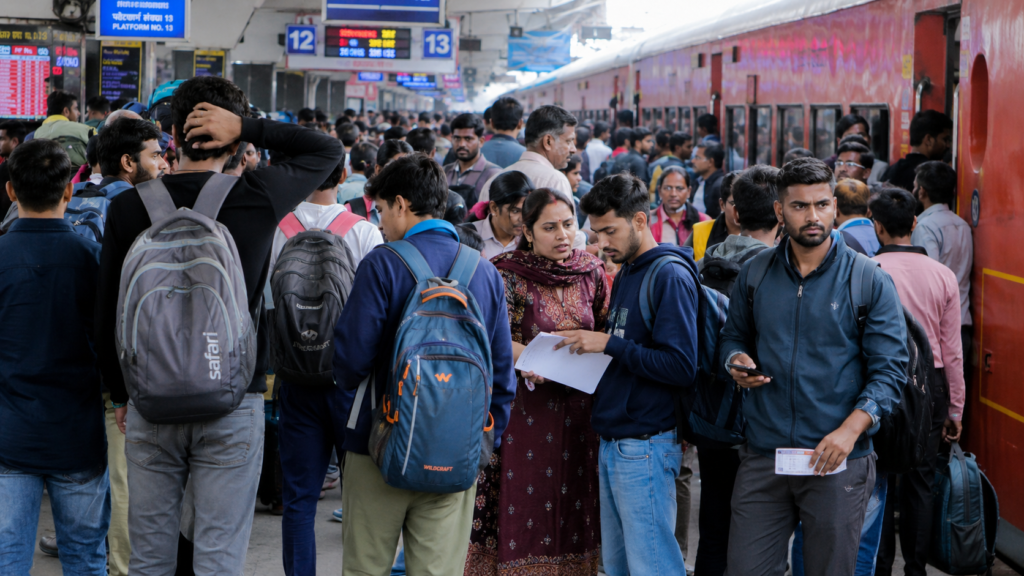
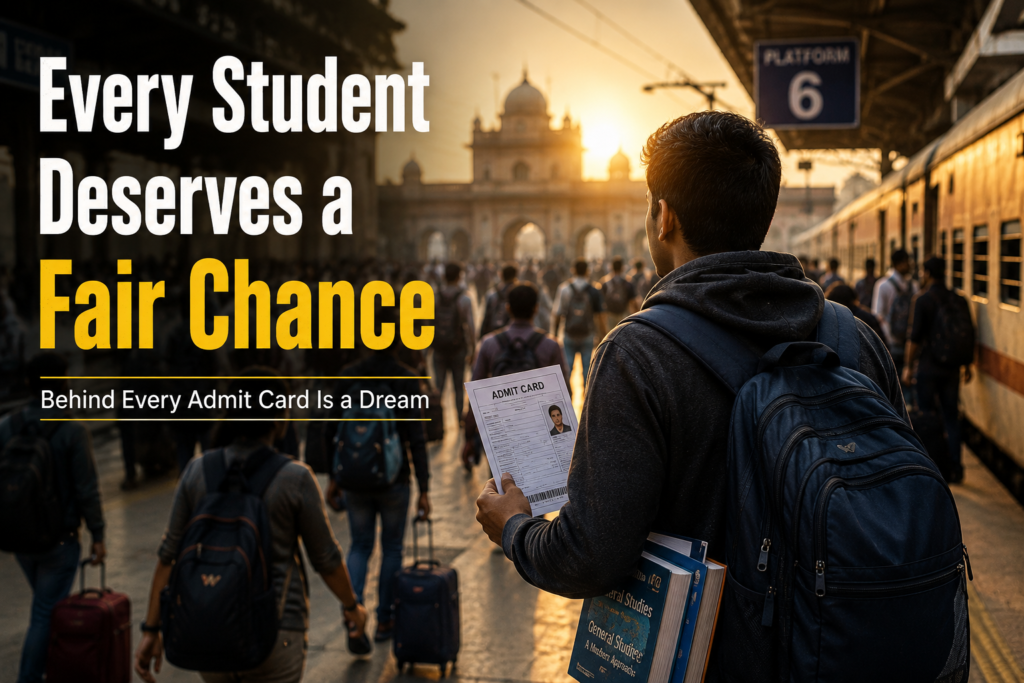
Anyone who has visited a railway station during a major examination season understands the challenges students face.
Platforms are crowded with candidates carrying admit cards and backpacks.
Parents accompany their children to unfamiliar cities.
Students travel overnight to ensure that they reach the centre before reporting time.
In such situations, even a minor delay can create panic.
A student who has prepared for months should not have to worry about missing an examination because of transportation problems.
The biggest concern on examination day should be the question paper, not whether the candidate will reach the centre on time.
Paper Leaks Are More Than Just a Crime
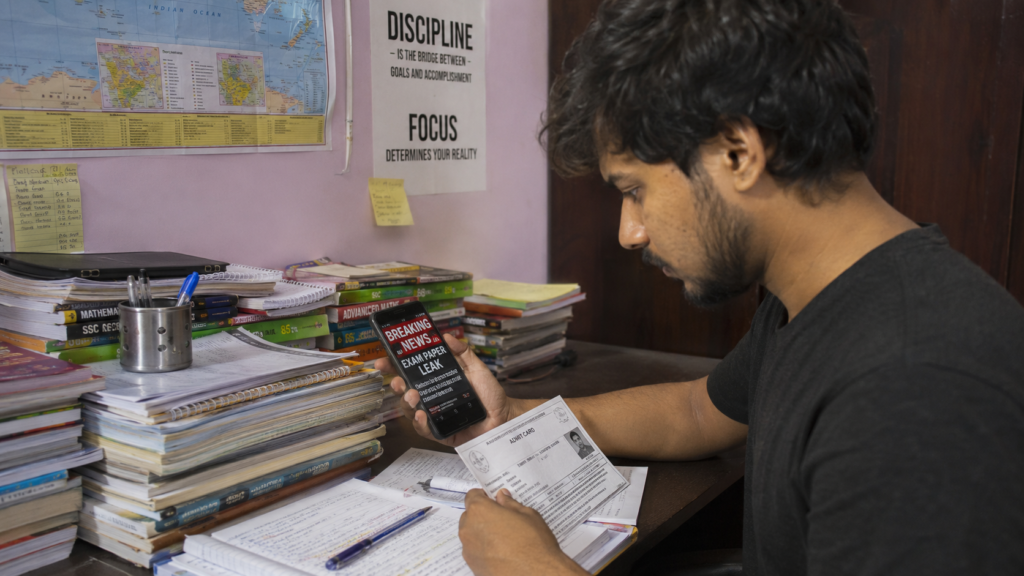
The greatest damage caused by a paper leak is not simply the cancellation of an examination.
The greatest damage is the loss of trust.
When students spend years preparing for a competitive examination, they believe that their success or failure will depend on their effort and performance.
When paper leak controversies emerge, many begin questioning whether the system is capable of protecting honest candidates.
Trust takes years to build.
It can be damaged in a matter of moments.
That is why examination security is not only an administrative responsibility. It is a moral responsibility as well.
Why Are Students Frustrated?
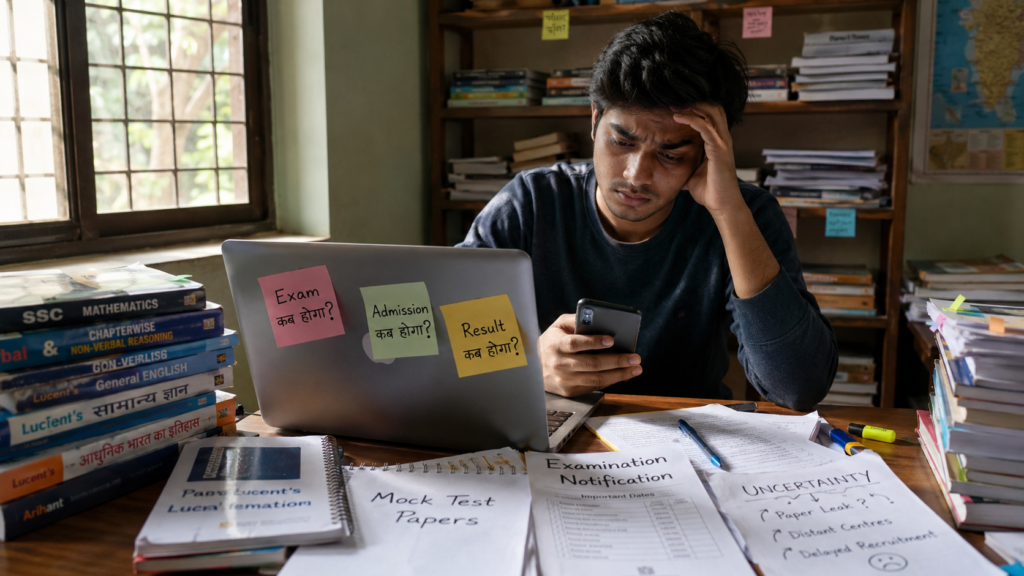
Many people dismiss student frustration as an emotional reaction.
However, if we try to understand their situation, their concerns appear reasonable.
Students worry about:
Paper leak controversies.
Distant examination centres.
Delays in recruitment processes.
Technical problems during examinations.
Rising preparation costs.
Uncertainty about the future.
These are not imaginary concerns.
They are real challenges affecting millions of young people across the country.
Can the System Be Improved?
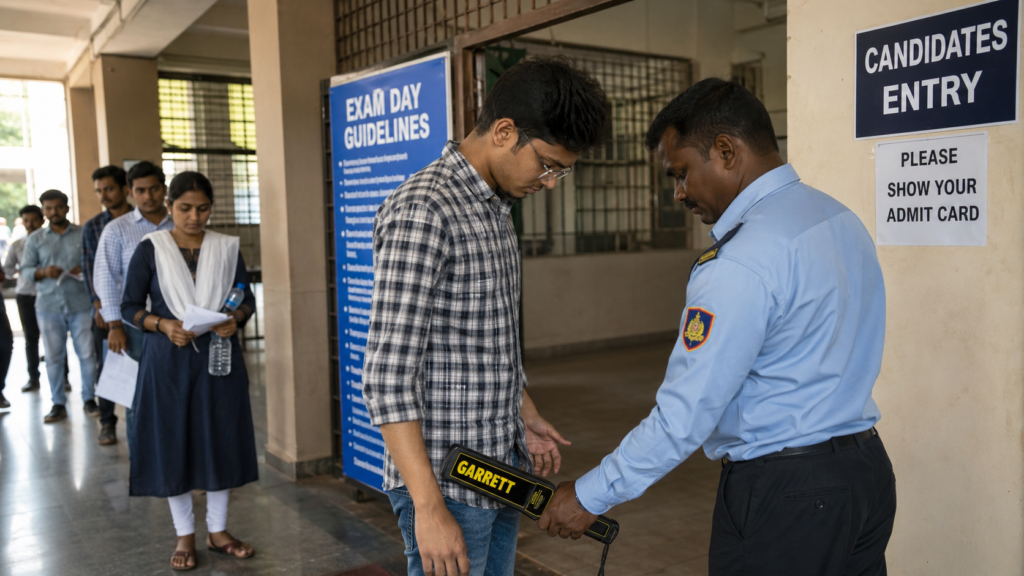
I believe the answer is yes.
India operates one of the largest examination systems in the world. Managing examinations for millions of candidates is undoubtedly difficult.
However, there is always room for improvement.
Some possible reforms include:
Allocating examination centres closer to candidates whenever possible.
Strengthening question paper security.
Conducting faster and more transparent investigations into examination irregularities.
Considering special transportation arrangements during major examinations.
Designing policies that place students at the centre of decision-making.
Students are not demanding perfection.
They are asking for fairness.
India conducts some of the world’s largest examinations through institutions such as the National Testing Agency (NTA), making transparency, efficiency, and trust essential for millions of candidates.
A Question India Must Ask Itself
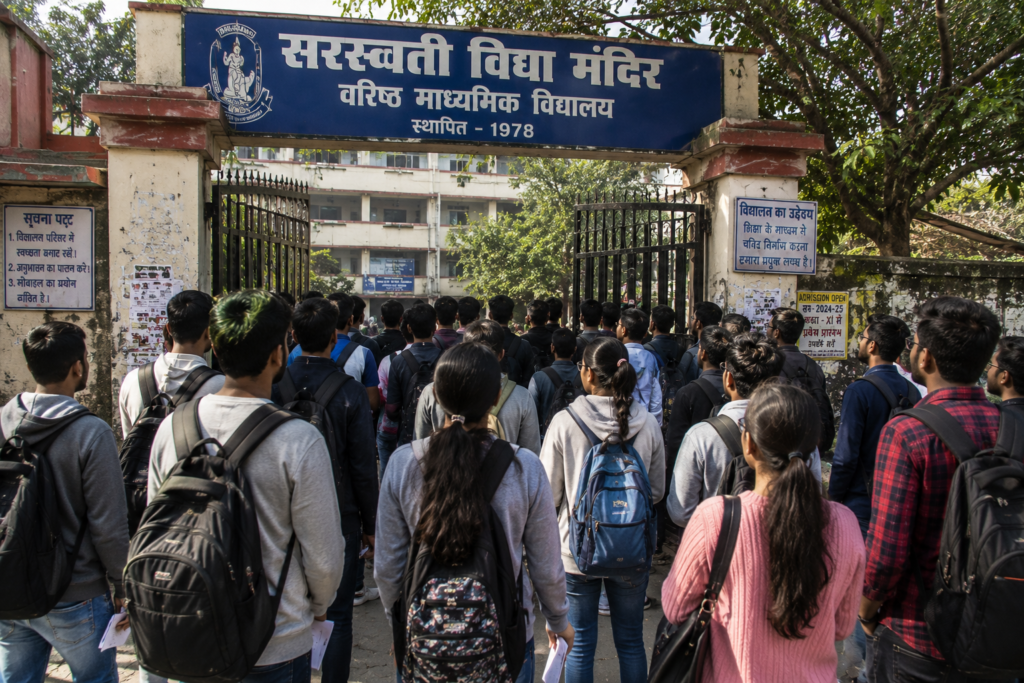
Perhaps the most important question is this:
Are we doing enough to protect the hard work of honest students?
Every year, millions of young people invest their time, energy, and dreams into competitive examinations.
Their success and failure should be determined by preparation, ability, and performance—not by avoidable irregularities.
Conclusion
India’s students are not asking for special treatment.
They are not asking for guaranteed success.
They are asking for a fair opportunity.
A strong examination system does more than conduct tests. It protects dreams, rewards hard work, and preserves trust.
Behind every admit card is a dream.
Behind every examination is a family’s hope.
And behind every candidate is a young person who believes that effort should matter.
In my view, protecting that belief is not only the responsibility of governments and institutions. It is a responsibility that belongs to society as a whole.
Because when students lose faith in the fairness of the system, the nation risks losing something far more valuable than examination results—the confidence of its future generation.
Frequently Asked Questions
Why do students get frustrated with the examination system?
Students often feel frustrated due to issues such as paper leaks, distant examination centres, recruitment delays, technical problems, and uncertainty about their future despite years of preparation.
Why are distant examination centres a challenge for students?
Distant exam centres increase travel expenses, create stress, reduce revision time, and make candidates dependent on transportation arrangements before an important examination.
How do paper leaks affect honest candidates?
Paper leaks damage trust in the examination process and create doubts about whether success is being determined by merit, preparation, and performance.
Can examination systems be improved?
Yes. Improvements may include stronger security measures, better centre allocation, transparent investigations, and student-focused policies that prioritize fairness and accessibility.
What do students expect from competitive examinations?
Most students do not expect guaranteed success. They simply want a fair, transparent, and trustworthy system where hard work and ability determine the outcome.