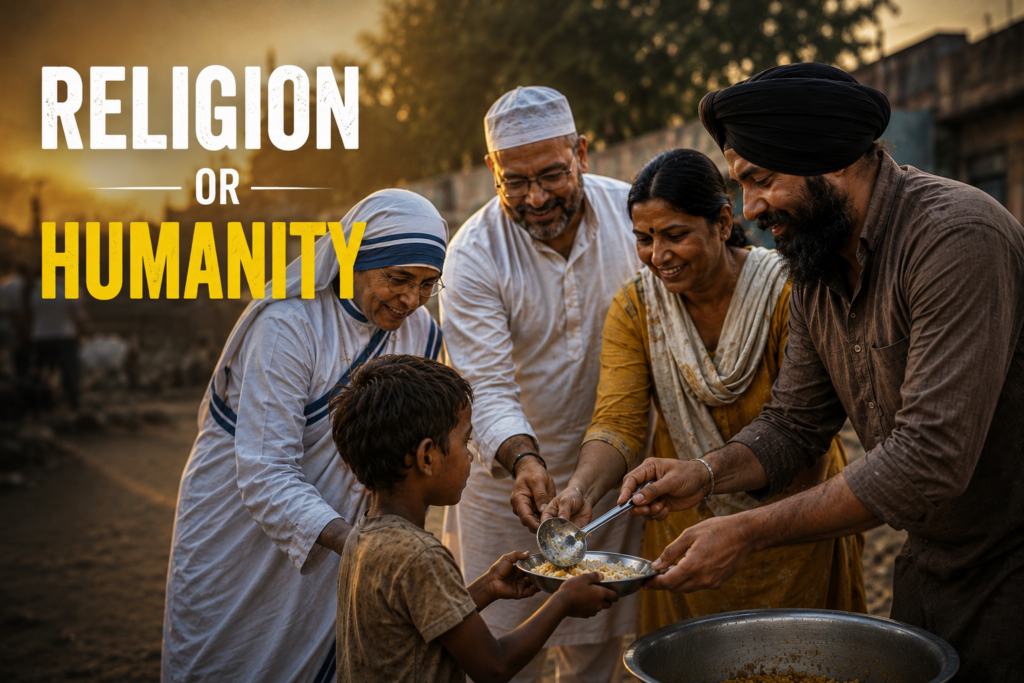
“If our worship makes us kinder, more honest, and more compassionate, then our faith is alive. Otherwise, religion remains only a ritual.“
Religion or Humanity has become one of the most important discussions of the 21st century. Around the world, billions of people follow different religions, traditions, and spiritual beliefs. Temples, mosques, churches, gurudwaras, monasteries, and other places of worship are visited every day by people seeking peace, hope, and guidance.
Religion has shaped civilizations for thousands of years. It has inspired magnificent architecture, timeless literature, ethical teachings, social reforms, charitable institutions, and countless acts of kindness. Faith gives strength during difficult times, hope during uncertainty, and courage during personal loss. For millions of people, religion is not simply a belief it is a way of living.
Yet one important question deserves our honest attention.
If religion teaches compassion, honesty, forgiveness, humility, and love, why do we still witness corruption, hatred, discrimination, violence, dishonesty, and intolerance in society?
Why do some people spend hours performing religious rituals but ignore a hungry child standing outside the place of worship?
Why do educated individuals sometimes spread hatred in the name of religion instead of promoting understanding?
Why are people often judged by their religion before their character?
Why do some individuals proudly display their religious identity while forgetting the values their religion teaches?
These questions are not intended to criticize any religion, community, or tradition. Every religion has contributed positively to humanity in different ways. The real purpose of this discussion is to understand a deeper truth.
Perhaps the biggest challenge is not religion itself.
Perhaps the challenge lies in human behaviour.
Religion can guide people toward goodness, but it cannot force anyone to become compassionate. Sacred books may teach honesty, but honesty becomes meaningful only when people choose to practice it. Every religion encourages kindness, yet kindness must become part of everyday life rather than remaining only inside religious ceremonies.
Modern psychology also supports this idea. Human behaviour is influenced by education, empathy, upbringing, emotional intelligence, moral development, social learning, and personal experiences. Religious identity alone does not automatically create moral character.
This is why the discussion of Religion or Humanity is more relevant today than ever before.
The purpose of this article is not to decide whether religion is more important than humanity or humanity is more important than religion.
Instead, this article explores an even more meaningful question:
Can true religion exist without humanity?
“Religion becomes meaningful only when it transforms our character, not just our rituals.”
Table of Contents
ToggleThe Difference Between Religious Identity and Moral Character
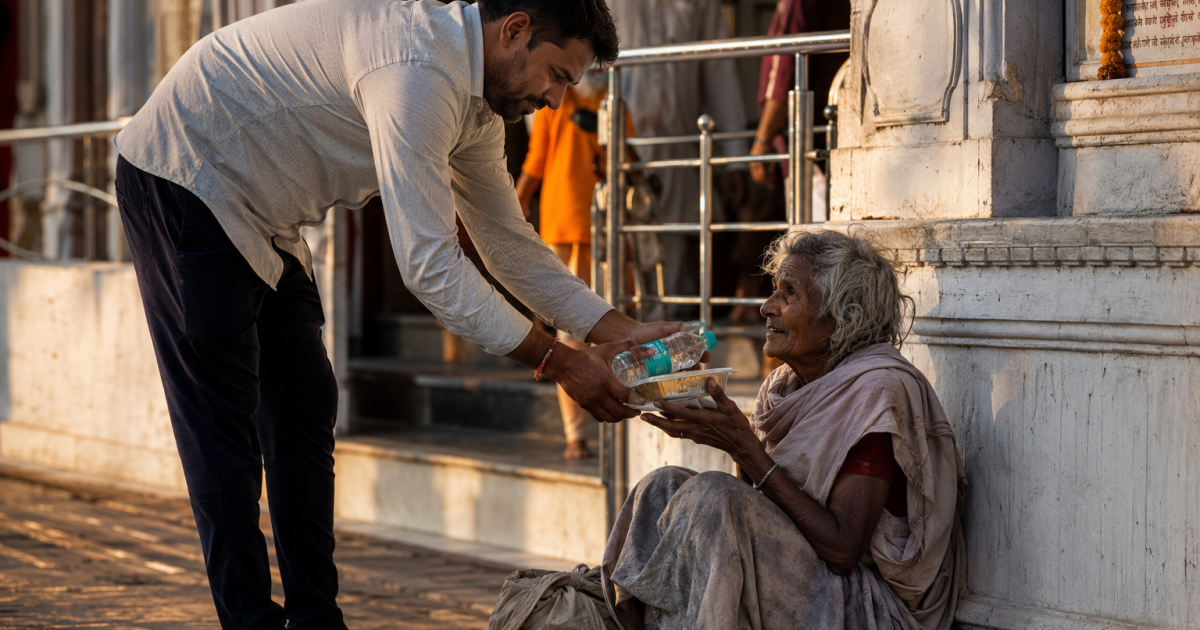
The discussion about Religion or Humanity begins with a simple but powerful truth: being religious and being moral are not always the same thing.
A person may visit a temple every morning.
Another may offer prayers five times a day.
Someone may attend church every Sunday.
Another may meditate for hours or read sacred scriptures every day.
All these practices can strengthen faith and provide spiritual peace. They help people feel connected with something greater than themselves. There is nothing wrong with religious rituals when they inspire people to become better human beings.
However, a difficult question naturally arises.
If the same person lies, cheats, accepts corruption, spreads hatred, humiliates others, or ignores people who are suffering, has religion truly transformed their life?
Religion changes schedules.
Morality changes behaviour.
Faith changes the heart only when its teachings become daily actions.
This is where the debate of Religion or Humanity becomes meaningful.
A person’s true character is revealed not inside a place of worship but in everyday life.
How do they treat their parents?
How do they behave with workers?
- Do they respect women?
- Do they help strangers?
- Do they keep their promises?
- Do they tell the truth even when lying would benefit them?
Psychologists often explain that our moral identity is reflected through repeated actions rather than public appearances. A person who quietly helps others without expecting praise often demonstrates stronger moral character than someone who only seeks recognition for religious activities.
“Religion becomes meaningful only when it transforms our character, not just our rituals.”
What Psychology Says About Human Behaviour
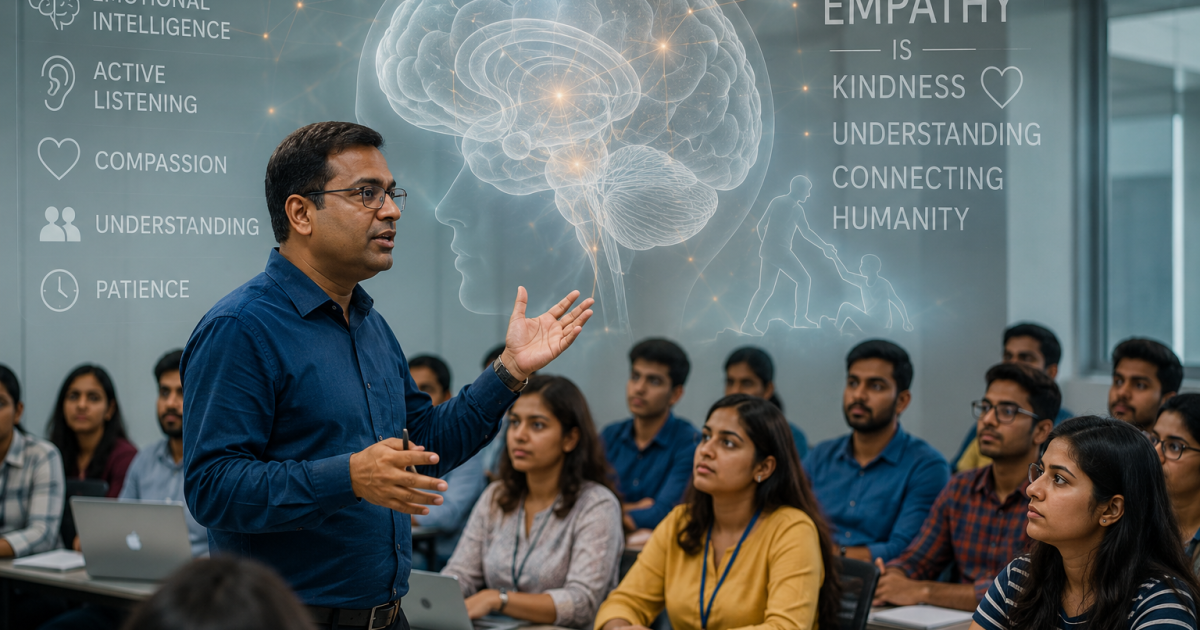
The debate of Religion or Humanity is also supported by psychological research.
Modern psychology explains that human behaviour is influenced by several important factors, including:
Family upbringing
Education
Social environment
Personal experiences
Emotional intelligence
Empathy
Moral reasoning
Cultural beliefs
Self-control
No psychologist claims that belonging to a religion automatically makes someone ethical.
Instead, research shows that ethical behaviour develops through learning, positive role models, empathy, and responsible decision-making.
One of the most studied concepts in psychology is prosocial behaviour actions intended to benefit other people without expecting rewards.
Helping someone who is hungry.
Donating blood.
Supporting disaster victims.
Teaching children without charging money.
Protecting animals.
Standing against injustice.
These behaviours strengthen society because they create trust, cooperation, and compassion.
Research also shows that empathy plays an essential role in reducing aggression and increasing kindness.
When people truly understand another person’s pain, they become less likely to cause harm.
This explains why Religion or Humanity should never be viewed as a competition.
Religion teaches values.
Psychology explains how those values become behaviour.
Education helps us apply them wisely.
When these three work together, society becomes stronger.
“Knowledge without compassion becomes arrogance. Faith without empathy becomes empty tradition.”
Education Does Not Replace Religion It Strengthens It
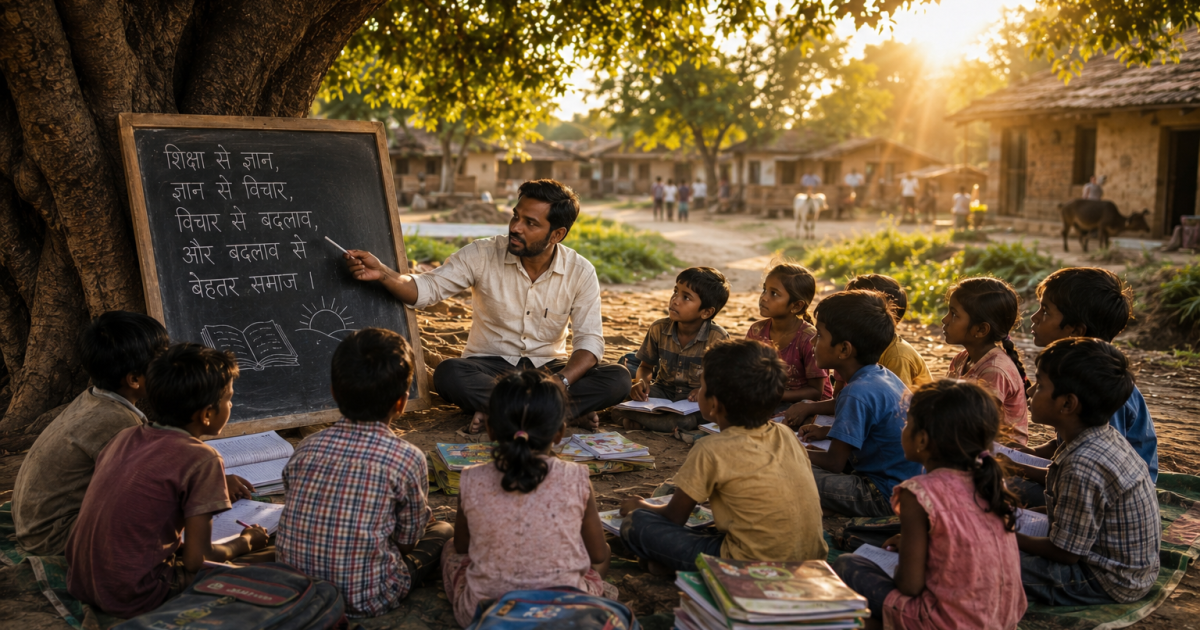
Many people mistakenly believe that education weakens religious faith.
History proves the opposite.
Education teaches us to ask questions.
Religion teaches us to ask meaningful questions.
Education develops logic.
Religion or Humanity develops values.
Education explains how the world works.
Religion or Humanity often explores why we should live ethically.
A healthy society needs both.
Without education, people may become victims of misinformation, superstition, manipulation, and blind belief.
Without morality, education can be misused for corruption, exploitation, violence, and personal greed.
The strongest civilizations are built when educated minds are guided by compassionate hearts.
This is another reason why Religion or Humanity should never become an argument.
Humanity gives purpose to religion.
Religion gives direction to humanity.
“Education teaches us how to think. Morality teaches us why it matters.”
Why Humanity Is the Highest Form of Worship
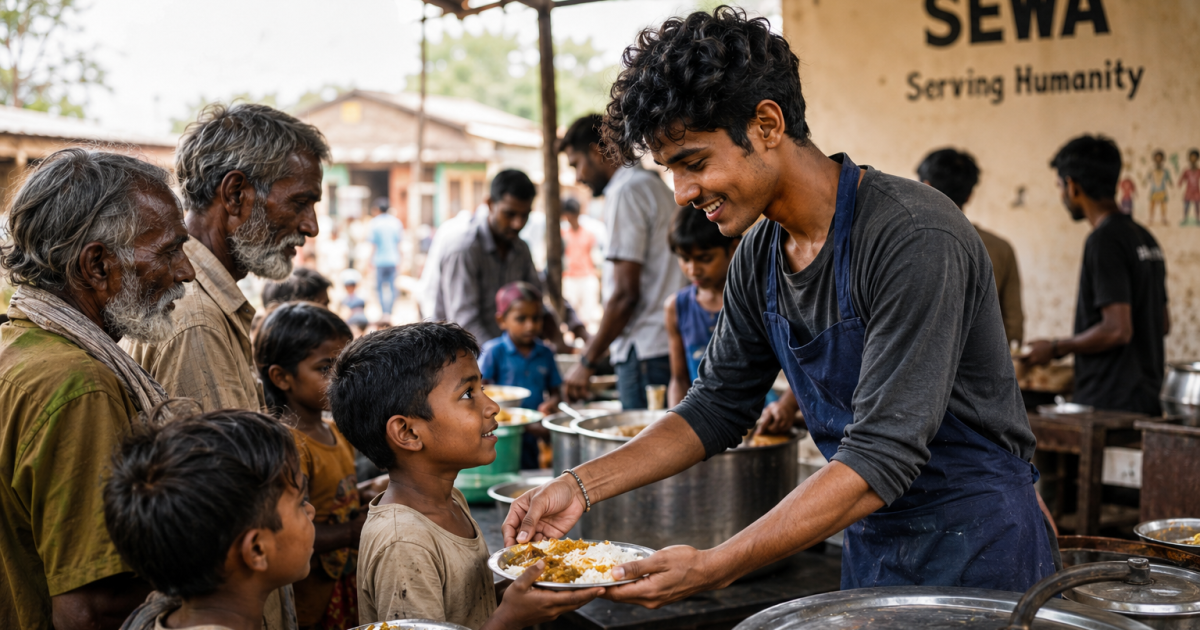
Imagine two different people.
The first spends thousands on decorations, ceremonies, and public displays of devotion.
The second quietly pays the school fees of a poor child.
- One hungry family receives food.
- One elderly woman receives medicine.
- One orphan continues education.
- One struggling student receives books.
- No cameras.
- No applause.
- No social media posts.
- Only kindness.
Which action creates a greater positive impact on society?
Most religions encourage charity because they recognize one timeless truth:
Helping another human being is one of the greatest forms of worship.
Places of worship are important because they preserve faith, culture, tradition, and community.
But faith reaches its highest expression when it inspires compassion outside those walls.
The smile of a hungry child after receiving food…
The relief of a patient who receives medicine…
The confidence of a student who can continue education…
These moments represent the living spirit of Religion or Humanity.
“The greatest temple is a compassionate heart, and the greatest worship is helping someone in need.”
Blind Faith vs Critical Thinking

One of the greatest challenges in modern society is not religion itself but blind faith. Faith can inspire hope, courage, and compassion. Blind faith, however, can prevent people from asking important questions.
Critical thinking does not mean rejecting religion. It means seeking truth with honesty, evidence, and humility.
A healthy society encourages people to ask questions, verify information, and think independently. Every religion has scholars, teachers, and traditions of learning that value reflection and wisdom. Blindly accepting every claim, rumor, or social media post without verification can lead to misunderstanding and conflict.
The discussion of Religion or Humanity reminds us that faith becomes stronger when it is supported by wisdom.
“Faith grows stronger through understanding, not through fear.”
Hero Worship and the Limits of Leadership
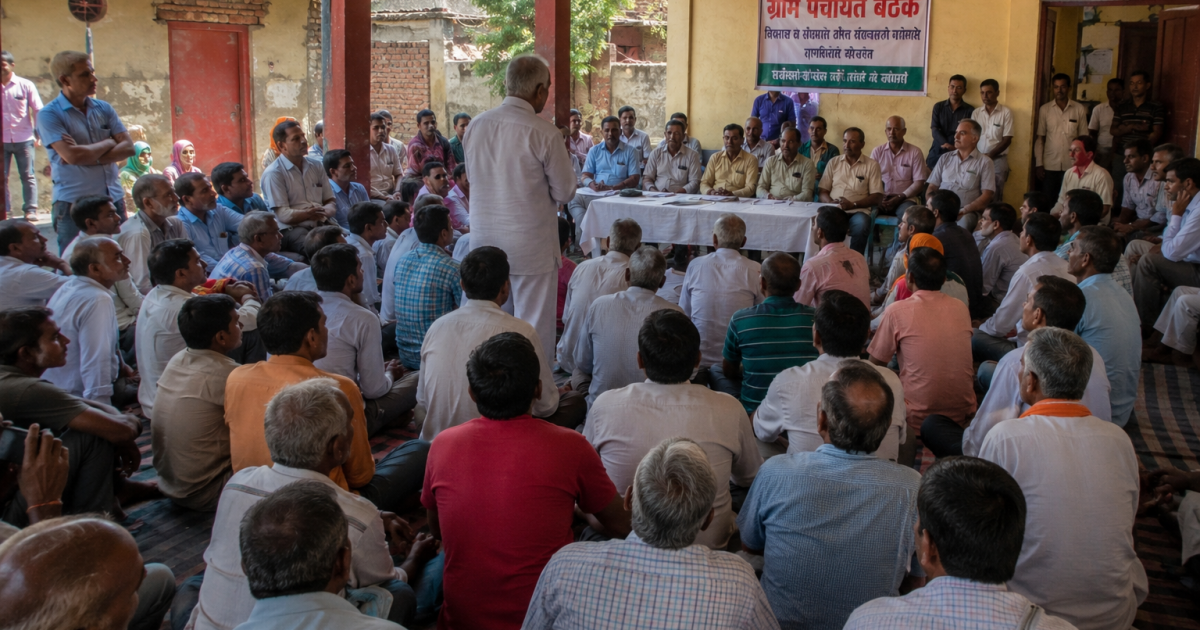
Throughout history, societies have respected leaders, reformers, teachers, and public servants. Respect for good leadership is important.
However, no human being should be considered above truth, justice, or moral responsibility.
In a democracy, leaders are accountable to the people. Citizens should appreciate good work, question poor decisions, and evaluate leaders based on honesty, integrity, and service—not blind admiration.
When people stop asking questions and begin treating individuals as if they are beyond criticism, democracy becomes weaker.
The idea of Religion or Humanity reminds us that values should always be greater than personalities.
Respect leaders.
But never surrender your ability to think independently.
“Great leaders inspire people to think, not to stop thinking.”
Social Media and the Psychology of Division
Social media has connected billions of people across the world.
Unfortunately, it has also become a place where anger spreads faster than understanding.
Psychologists explain that people often believe information that confirms their existing beliefs. This is known as confirmation bias.
Because of confirmation bias, many individuals share emotional posts without checking whether the information is accurate.
Rumours, edited videos, fake quotations, and misleading headlines can create unnecessary fear, hatred, and conflict.
Before sharing any religious or political content, every responsible citizen should ask:
Is this information verified?
What is the original source?
Could this harm innocent people?
Am I sharing facts or emotions?
Choosing truth over rumours is an important part of both responsible citizenship and moral behaviour.
“Truth deserves patience. Rumours demand speed.”
Why Do People Fight in the Name of Religion?
If almost every religion teaches peace, why do conflicts still happen?
Psychology suggests that religion is often not the direct cause of conflict. Instead, conflicts may arise from fear, identity, misinformation, political interests, prejudice, economic inequality, or competition for power. Religion can sometimes become one of several identities involved in those disputes.
When people begin to see others only as members of different groups instead of fellow human beings, empathy decreases and hostility can increase.
This is why education, dialogue, and mutual respect are so important.
The real solution is not less humanity or less religion.
The solution is more wisdom, more empathy, and more responsibility.
“Hatred begins when we stop seeing a human being behind a different identity.”
Building a Society Based on Humanity
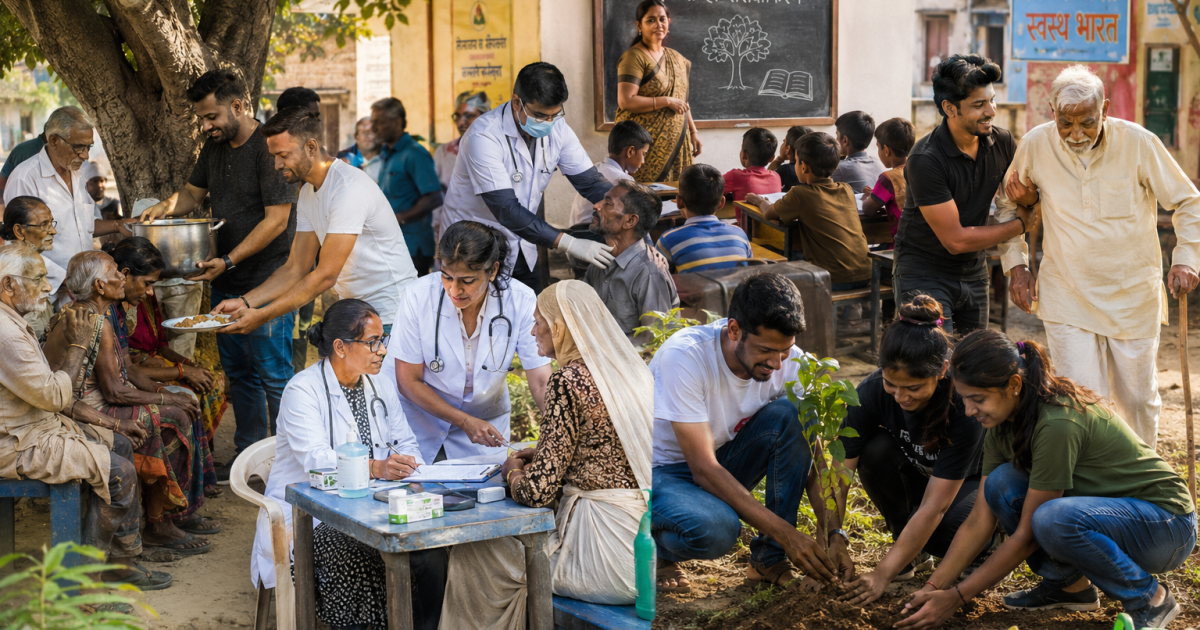
Imagine a society where every child receives quality education.
Where no one sleeps hungry.
Where hospitals are accessible.
Where honesty is respected more than wealth.
Where people help each other regardless of religion, caste, language, or background.
This vision is possible only when compassion becomes a daily habit.
A better society is not built only by laws or governments.
It is built by ordinary people making extraordinary choices every day:
Choosing honesty instead of corruption.
Choosing kindness instead of hatred.
Choosing dialogue instead of violence.
Choosing education instead of ignorance.
Choosing humanity instead of prejudice.
That is the true spirit of Religion or Humanity.
“A nation’s greatest strength is not its buildings or wealth—it is the character of its people.”
What Every Believer Should Ask
Before asking,
“Which religion is the greatest?”
Perhaps we should first ask ourselves:
Am I honest when no one is watching?
Do I treat every human being with dignity?
Do I help people who cannot repay me?
Do I respect those who follow a different religion?
Do I speak the truth even when it is difficult?
Do I control my anger and ego?
Do I forgive instead of seeking revenge?
Do my actions reflect the values I claim to believe?
The discussion of Religion or Humanity ultimately begins with self-reflection.
Changing the world starts with changing ourselves.
A society cannot become peaceful if individuals refuse to become peaceful.
“The greatest revolution begins when a person conquers their own ego.”
Lessons We Can Learn from Every Religion
Although religions differ in beliefs, traditions, and practices, most encourage universal human values.
Almost every major religion teaches us to:
Love instead of hate.
Forgive instead of taking revenge.
Speak the truth.
Respect parents and elders.
Help the poor and needy.
Protect the weak.
Practice honesty.
Avoid greed.
Live with compassion.
Treat every human being with dignity.
These principles remind us that Religion or Humanity is not a competition.
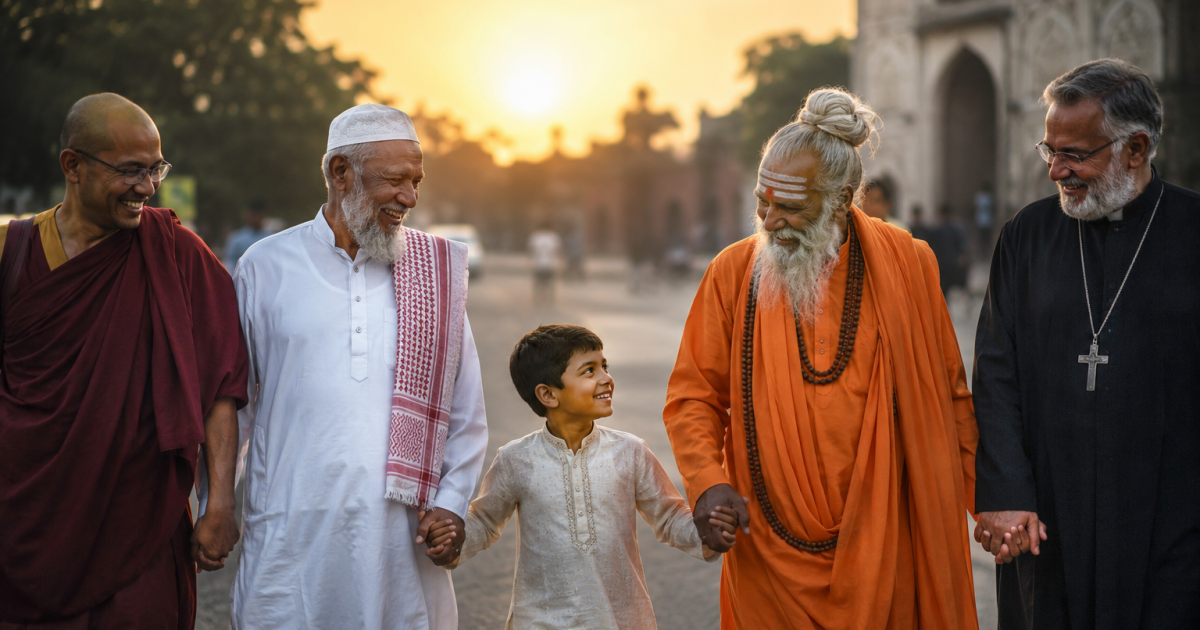
Humanity is the bridge that connects all religions.
“Humanity is the language every religion understands.”
Small Acts That Change Society
Many people believe changing society requires enormous wealth or political power.
In reality, meaningful change often begins with ordinary people performing small acts of kindness every day.
You can:
Feed someone who is hungry.
Donate books to poor students.
Plant trees.
Donate blood.
Help elderly people.
Support children’s education.
Speak respectfully.
Protect animals.
Help accident victims.
Volunteer in your community.
These simple actions may appear small, but together they build a stronger society.
The future of humanity depends more on millions of small acts of kindness than on a few grand speeches.
“Kindness is the simplest form of greatness.”
Conclusion
The debate about Religion or Humanity is not about choosing one over the other. Instead, it reminds us that Religion or Humanity should never become a reason for division, hatred, or prejudice. The true meaning of Religion or Humanity lies in the way we treat people, especially those who need our kindness the most.
When we honestly reflect on Religion or Humanity, we realize that every act of compassion, honesty, forgiveness, and service carries far greater value than empty rituals without empathy. The discussion of Religion or Humanity teaches us that faith becomes meaningful only when it transforms our daily actions.
A hungry child does not ask about Religion or Humanity before accepting food. A patient does not ask about Religion or Humanity before receiving medicine. A struggling student does not ask about Religion or Humanity before receiving an opportunity to learn. Human suffering has no religion, and true compassion should know no boundaries.
Perhaps the greatest lesson of Religion or Humanity is that our character matters more than our public image. The future of Religion or Humanity depends not only on religious beliefs but also on education, empathy, critical thinking, and moral responsibility.
Every prayer becomes meaningful when it inspires kindness. Every scripture becomes meaningful when it encourages justice. Every place of worship becomes meaningful when people leave with greater compassion than they had before entering.
Ultimately, Religion or Humanity is not a question with only one answer. The real purpose of Religion or Humanity is to inspire people to become more truthful, more responsible, and more compassionate every single day. If Religion or Humanity encourages us to love more than we hate, to serve more than we judge, and to unite more than we divide, then we have truly understood the purpose of faith.
“The world does not need more people who only speak about God. It needs more people whose actions reflect God’s compassion.”
“Religion may guide our faith, but humanity reveals our character.”
Frequently Asked Questions
Is this article against religion?
No. This article respects every religion. Its purpose is to encourage compassion, ethical behaviour, critical thinking, and humanity alongside faith.
Why is humanity important in every religion?
Most religions teach values such as honesty, kindness, charity, forgiveness, and respect. Humanity is the practical expression of those values.
Can religion and education exist together?
Yes. Religion can provide moral values, while education develops critical thinking and knowledge. Together they help build responsible citizens.
Why is empathy important?
Psychological research suggests that empathy encourages helping behaviour, reduces aggression, and strengthens relationships within society.
What is the main message of this article?
True faith is reflected not only through rituals but through honesty, compassion, responsibility, and the way we treat other human beings.